- Home
- Florida History
- Florida Heritage Sites
- Oneida Bungalow Court
ONEIDA BUNGALOW COURT
By Mike Miller October 31, 2025
Oneida Bungalow Court is tucked away just west of downtown Jacksonville, between the Riverside and Brooklyn neighborhoods. It is a hidden pocket of history.
It’s one of the last visible traces of West Lewisville, a once-thriving African American community that flourished in the early 1900s before being nearly erased by modern development.
HISTORY OF ONEIDA BUNGALOW COURT
The story of West Lewisville began in 1875, when the area was platted as an expansion of Jacksonville’s Brooklyn district.
The land had once been part of the Dells Bluff Plantation, and development was led by Miles Price, a Confederate veteran who turned his attention to real estate after the Civil War.
The people who settled here - many descendants of formerly enslaved African Americans - built a tight-knit, self-sustaining community filled with small cottages, churches, and family-run businesses.
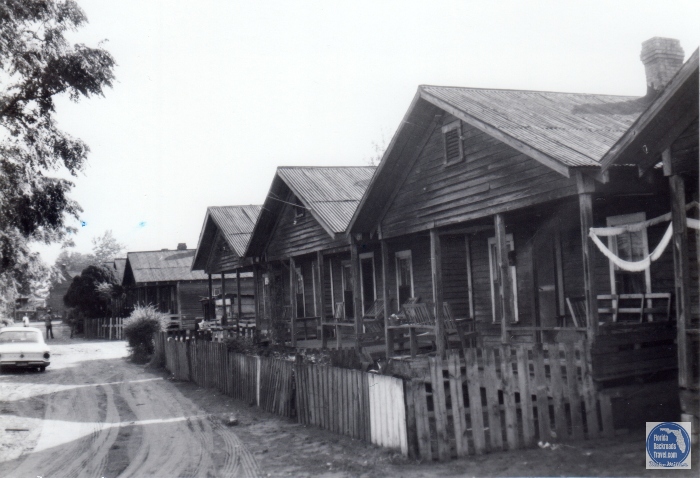 Oneida Bungalow Court
By the early 20th century, West Lewisville was thriving. Located near Jacksonville’s industrial core, it provided jobs and homes for craftsmen, railroad workers, and domestic laborers. The community was proud, independent, and deeply connected to place.
In 1925, local attorney Francis P. L’Engle developed Oneida Bungalow Court, a collection of 29 small, wood-frame homes and a service station, arranged in a compact layout along what is now Wade Drive.
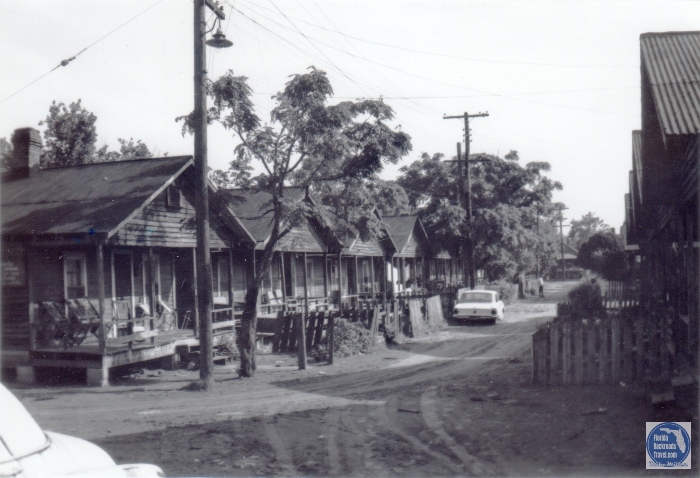 Oneida Bungalow Court
The bungalow court concept was popular across America in the 1920s and was an early experiment in affordable, community-oriented housing.
(Some sources credit the N.G. Wade Investment Company as the original builder, creating a small but unresolved conflict in the record.)
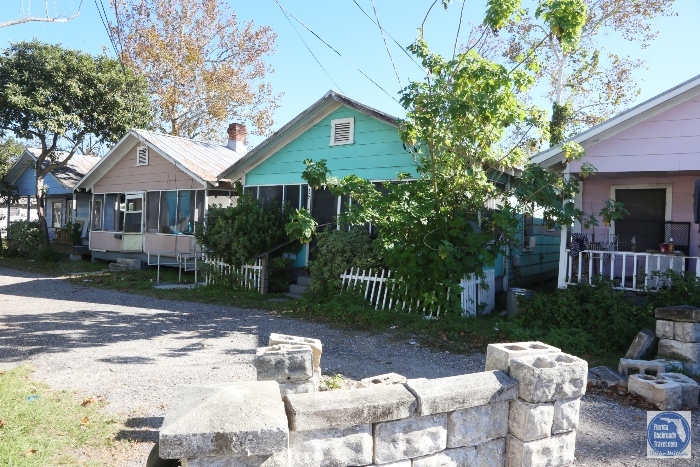 Oneida Bungalow Court
Each cottage was modest but charming, designed with front porches and simple trim that reflected the architectural style of the day. Together, they formed a cohesive and welcoming enclave that became the heart of West Lewisville.
As highways and redevelopment swept through Jacksonville in the mid-20th century, Interstates 10 and 95 carved directly through the old neighborhood.
Homes were demolished, families displaced, and much of West Lewisville disappeared. Oneida Bungalow Court survived, but just barely.
Today, only a handful of the original homes remain, standing as the last significant cluster of historic buildings from the neighborhood’s earliest days.
HOPE FOR THE FUTURE
OF ONEIDA BUNGALOW COURT
Preservationist Spencer Fletcher, a former Merchant Marine pilot and owner of Oasis Paint Company, purchased the property to save it from demolition.
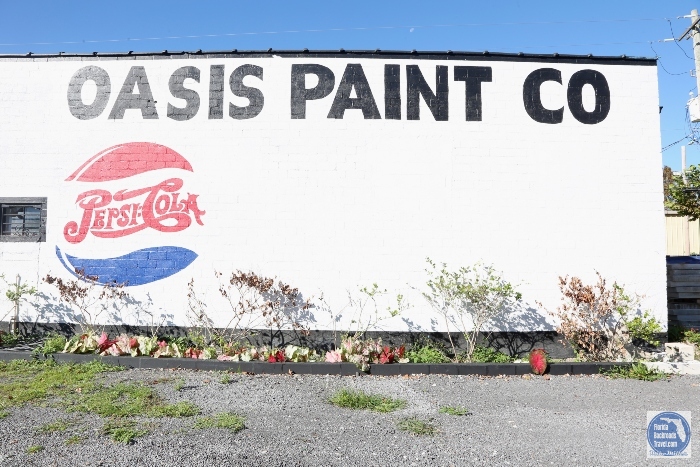 Oasis Paint Company Building
His plan to restore the surviving cottages as affordable housing while preserving their historic charm has drawn wide support from preservation groups.
In 2025, the Florida Trust for Historic Preservation added Oneida Bungalow Court to its prestigious “11 to Save” list, recognizing it as one of the most endangered historic places in Florida.
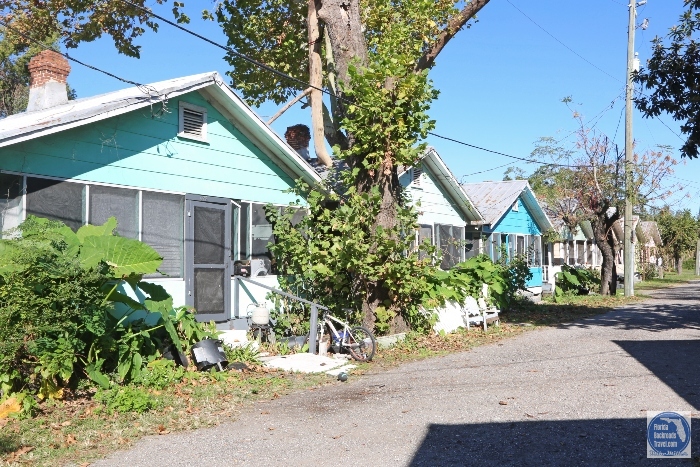 Oneida Bungalow Court
Oneida Bungalow Court is more than a cluster of old houses, it’s a symbol of resilience. It tells the story of a people who built homes, businesses, and hope in the shadow of Reconstruction and segregation.
Its preservation will ensure that Jacksonville keeps a tangible connection to its past and to the generations who helped shape it.
A Facebook group has been set up to encourage preservation of this historic neighborhood: Historic Oneida Bungalow Court
LOCATION OF ONEIDA BUNGALOW COURT

Florida is the fastest-growing state in the United States and also the fastest-changing. If you see anything in this article that has changed or is in error, please let me know.
Thousands of Florida fans subscribe to our free daily Ezine, Florida Heritage Travel and we have 130,000 followers on Facebook.
By Mike Miller, Copyright 2009-2026
Florida-Back-Roads-Travel.com
Florida Back Roads Travel is not affiliated with or endorsed by Backroads, a California-based tour operator which arranges and conducts travel programs throughout the world.