- Home
- Florida Towns
- Waldo
WALDO, FLORIDA
By Suzy Miller, September 15, 2026
Waldo, Florida Things To Do, Lodging, Dining, & Real Estate
At End Of Article
WHERE IS WALDO, FLORIDA
Waldo is a small city in northeastern Alachua County, about 13 miles northeast of Gainesville. U.S. Highway 301 passes through town, while State Road 24 connects Waldo with Gainesville.
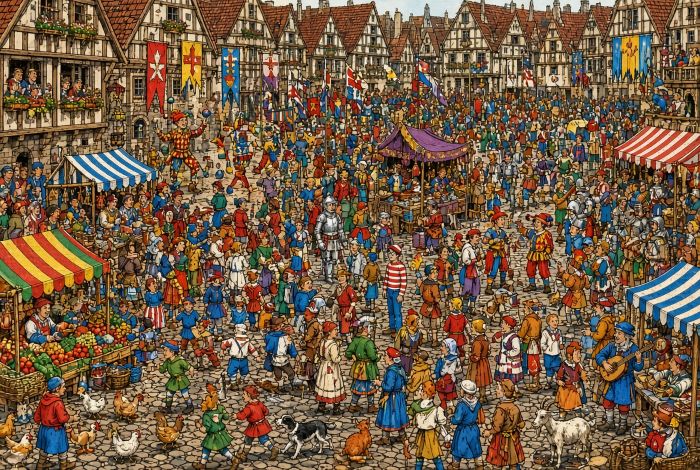 Where Is Waldo?
by Grok
Lake Alto lies just east of the city, with larger Santa Fe Lake beyond it. Waldo had 846 residents in the 2020 census, down from over 1,000 in 2010.
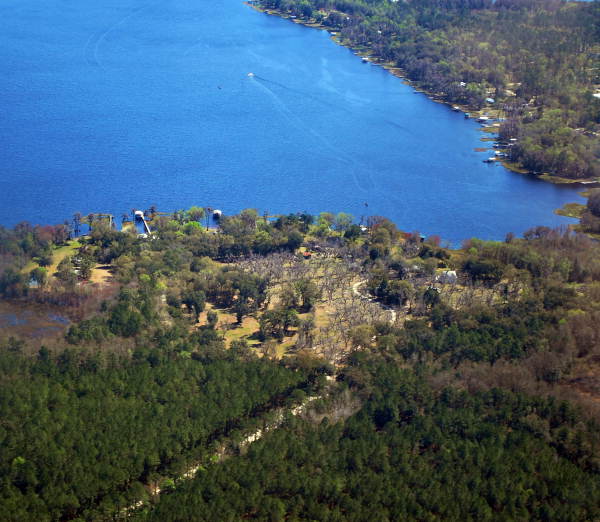 Aerial view overlooking the north end of Lake Santa Fe near NE 199th St. in Waldo, Florida.
Image from Florida State Archives.
WALDO, FLORIDA HISTORY
Archaeological evidence shows Native American people were living in the region at least 12,000 years ago.
By the time Europeans arrived, Timucua-speaking peoples, including the Potano, occupied much of present-day Alachua County.
Native people also lived and hunted around Lake Alto near present-day Waldo. Seminoles later moved into the region during the 1700s and early 1800s.
American settlers began moving into Alachua County during Florida’s territorial period, establishing farms and plantations.
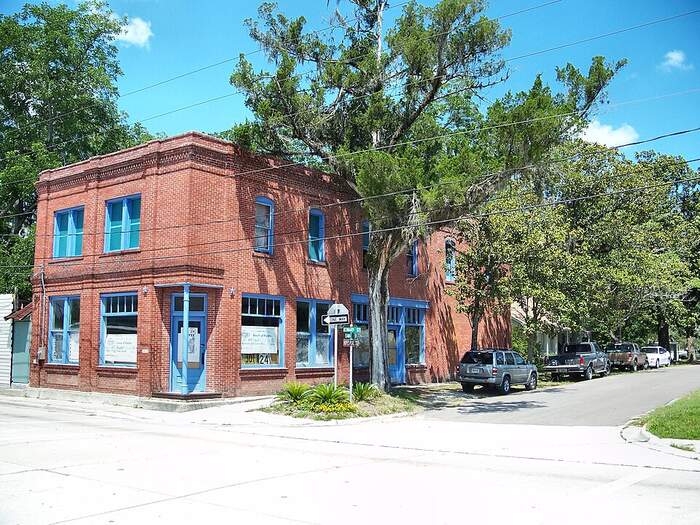 Old Schenk Hardware building, built in 1913, now Bank of Waldo in the Waldo historic district.
Courtesy of Ebyabe on Wikimedia Commons.
The settlement of Waldo was originally known as Bellamy Station, after the Bellamy Road, an important early territorial route. During the Second Seminole War, Fort Harlee was established nearby in 1837.
The Army abandoned the post the following year, although a small settlement remained and later served as a postal center. Nothing remains of the fort today.
Waldo’s fortunes changed with the arrival of the railroad in 1859. The community was renamed Waldo, reportedly for Dr. Benjamin Waldo, a physician and Florida politician.
The railroad transformed the town into an important shipping point for agricultural products and passengers.
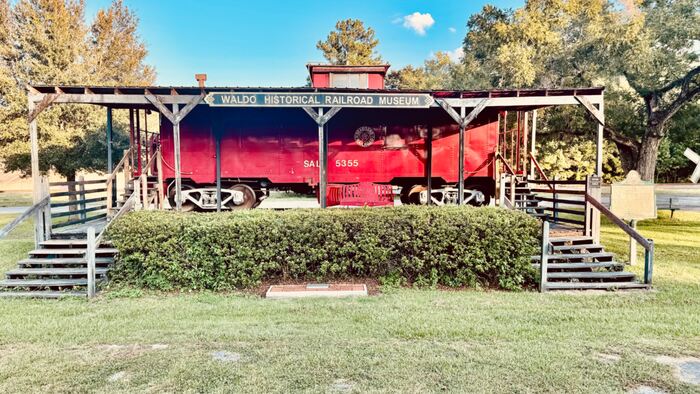 Waldo, Florida Red Caboose
Another transportation project followed. The Santa Fe Canal Company, chartered in 1877, dug a canal connecting Lake Alto and Lake Santa Fe.
The waterway was completed in 1881, and allowed steamboats to carry passengers and agricultural products from communities around Lake Santa Fe toward Waldo.
A second, shorter canal extended from Lake Alto toward the town, where a railroad spur completed the connection. The system was especially valuable to citrus growers around Melrose.
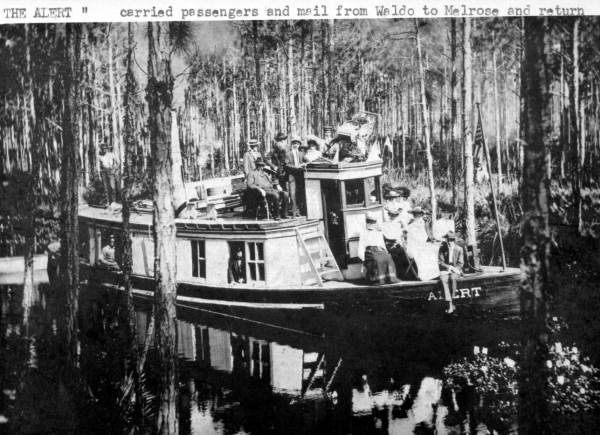 The steamboat Alert, circa 1870.
From the State Archives of Florida.
Fruit could travel by boat across Lake Santa Fe, through the canal and across Lake Alto before being transferred to trains at Waldo for shipment to distant markets.
The steamboats F.S. Lewis and later the Alert carried both freight and passengers. The F.S. Lewis was a double-decker paddle wheeler.
During this period of time the Florida Legislature had to enact a law making it illegal to race steamboats on Florida waterways. Looks like we've always felt the "need for speed"!
By the late 1800s, Waldo also attracted winter visitors who came for fishing, hunting and lake excursions.
Severe freezes in the 1890s devastated the local citrus industry, while better roads and automobiles eventually reduced the importance of the canal and railroad transportation system.
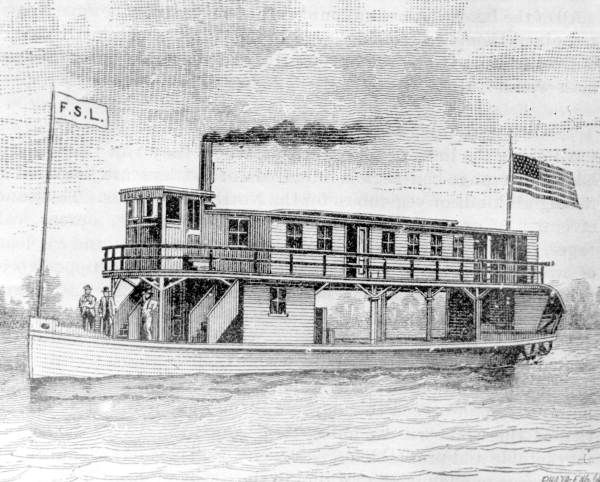 Drawing of the steamboat F.S. Lewis circa early 1880s.
From State of Florida Archives.
WALDO, FLORIDA TODAY
Waldo remains a small community centered around U.S. 301. Its best-known shopping attraction is the Waldo Farmers and Flea Market.
This sprawling marketplace sells everything from produce and tools to collectibles. The adjoining 20,000 square foot, two-story Waldo's Antique Market provides indoor browsing for antiques and vintage finds.
It has an unexpected connection to James Bond. In Ian Fleming's 1954 novel Live and Let Die, villains stop Bond's train on a lonely stretch of track about 20 minutes south of Waldo.
They attack his sleeping compartment, unaware that Bond and Solitaire had already left the train in Jacksonville. Fleming knew the Florida rail route from his own travels and incorporated it into the novel.
Today, the Waldo Railroad Museum has an exhibit exploring the town's unusual place in James Bond history.
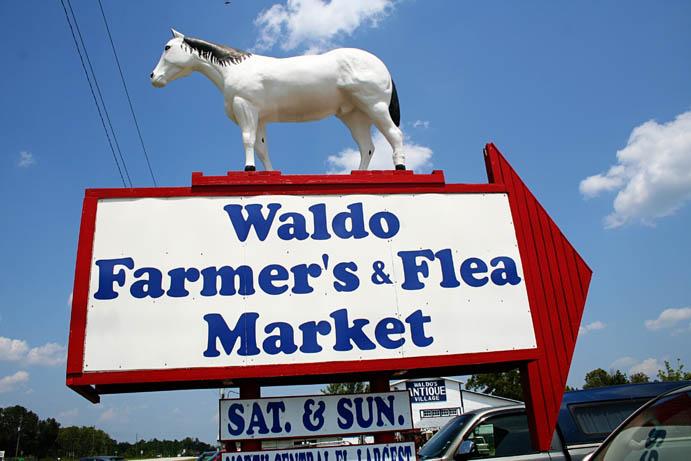 Waldo Farmers and Flea Market sign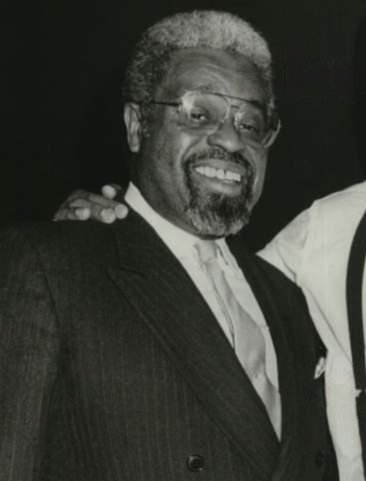
Despite its small size, Waldo has produced several notable people. Vince Sanders, who grew up in Waldo, became a prominent radio journalist and helped establish the National Association of Black Journalists.
Other people associated with the community include agriculturalist T. K. Godbey, actor Lawrence B. McGill, actress Gertrude Shipman, and physician Dr. William B. Sawyer.
In August 1995, Waldo became notorious as a speed trap. The American Automobile Association (AAA) declared Waldo and nearby Lawtey "speed traps" and urged drivers to avoid the towns.
In 2014 FDLE investigated, the city disbanded the police department, and after 23 years Waldo was removed from AAA’s speed trap list in 2018.
Waldo’s historic sites, lakes and natural areas give visitors other reasons to stop. For a traditional meal, Classic Café serves breakfast and casual American fare.
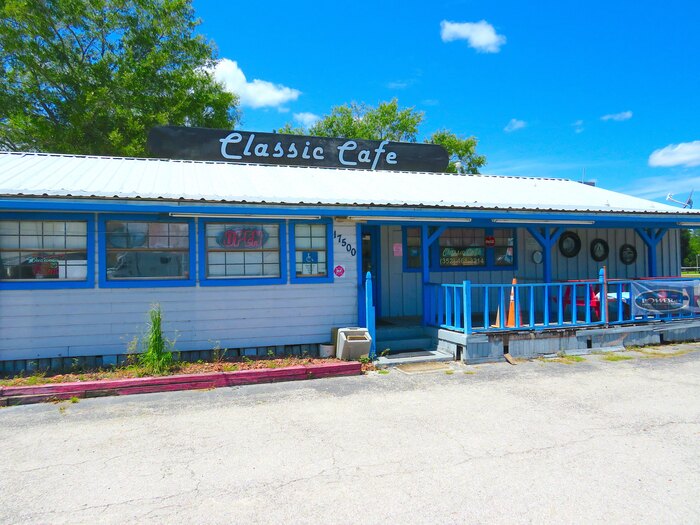 Classic Cafe in Waldo, Florida
THINGS TO DO IN WALDO, FLORIDA
Waldo Farmers and Flea Market: 17805 U.S. Hwy 301, Waldo FL. (352) 468-2255. Browse produce, collectibles, tools and secondhand merchandise. Largest flea market in north central Florida, on 50 acres.
Waldo's Antique Market: 17805 U.S. Hwy 301, Waldo FL. (352) 468-3111. Hunt for antiques, vintage goods and collectibles.
Waldo Area Historical Museum: 14450 NE 148th Ave., Waldo FL. (352) 448-6058. See artifacts, photographs and archives documenting local history.
Waldo Area Railroad Museum: Veterans Memorial Park, SW 2nd Place & 5th Blvd., Waldo FL (352) 448-6058. Explore a museum inside a historic railroad caboose.
Lake Alto Park: 17800 NE 134th Place, Waldo FL. (352) 264-6847. Fish, picnic, launch a boat or paddle Lake Alto.
Lake Alto Preserve South Tract: 18795 NE 132nd Ave. Waldo FL. (352) 264-6868. Hike the 1.6-mile Canal Loop along part of the historic Waldo Canal.
Lake Alto North Preserve: 14500 County Road 1471, Waldo FL. (352) 264-6800. Explore quiet trails and natural North Florida habitat.
Waldo City Park: 14705 NE Waldo Road, Waldo FL. Enjoy a small community park associated with Waldo’s railroad heritage.
Waldo RV & Motorsports Park: 17000 NE U.S. Hwy 301; Waldo FL (352) 231-9365. Visit the local motocross and motorsports facility.
Longleaf Ecology and Forestry Society: Now accessible from the Lake Alto area, including a trailhead at 17800 NE 134th Place, Waldo FL. (352) 468-1669. Explore longleaf-pine habitat, conservation and hiking.
Waldo’s combination of railroad history, the old canal system, antiques and outdoor recreation makes it an interesting stop for travelers looking for a quieter piece of North Florida.
WALDO, FLORIDA INTERACTIVE GOOGLE MAP

Florida is the fastest-growing state in the United States and also the fastest-changing. If you see anything in this article that has changed or is in error, please let me know.
Thousands of Florida fans subscribe to our free daily Ezine, Florida Heritage Travel and we have 130,000 followers on Facebook.
By Mike Miller, Copyright 2009-2026
Florida-Back-Roads-Travel.com
Florida Back Roads Travel is not affiliated with or endorsed by Backroads, a California-based tour operator which arranges and conducts travel programs throughout the world.